
Journal / Trends
Glass skin: a realistic routine for a healthy glow.
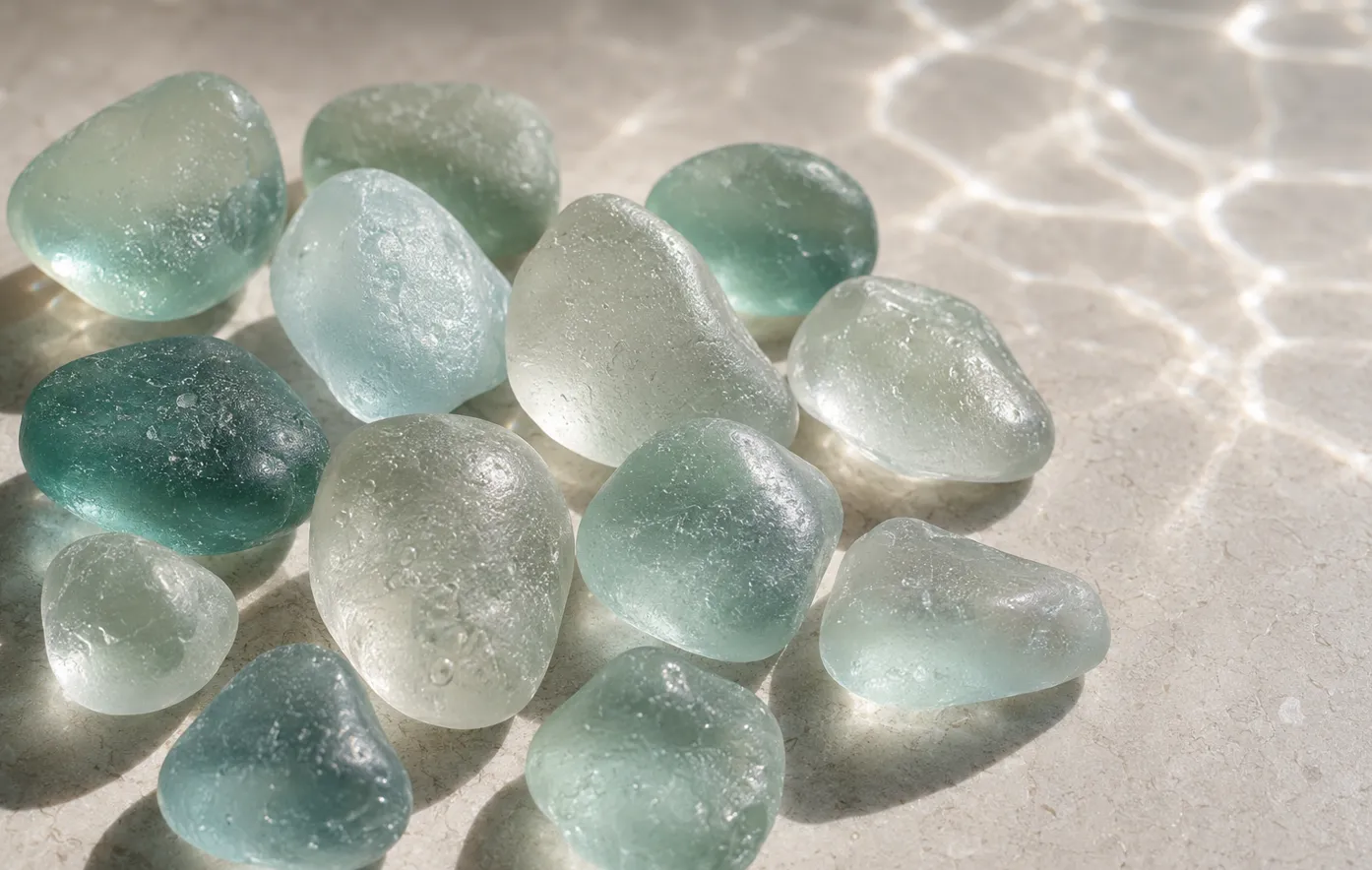
The glass skin images are smooth, bright and almost poreless. Real skin has texture, and that is normal. What a routine can do is keep skin comfortable, hydrated and protected, which is where a believable glow comes from.
The short answer
Glass skin is a Korean-born trend for skin that looks smooth, clear and almost poreless. Dermatologists support parts of it, such as moisturising and daily broad-spectrum sunscreen, but warn that using too many products can cause irritation, clogged pores and breakouts, and that the look may not be realistic for everyone. A realistic version is simple: a gentle cleanser, a moisturiser that suits your skin, sunscreen every morning and exfoliation only occasionally. The aim is healthy, comfortable skin that reflects light well, not a filter.
01 / The trend
What glass skin promises, and what the photos leave out.
The American Academy of Dermatology (AAD) describes glass skin as a trend that originated in Korea, aiming for skin that looks smooth and clear and keeps the appearance of being poreless. The routine usually involves a gentle cleanser, a hydrating serum, a moisturiser and exfoliation.[1]
It is easy to see the appeal. Skin that looks rested and even is something most people would like. But the images that made the trend popular are rarely just skin. Lighting, angle, highlighter, a fresh layer of moisturiser and phone filters all change how much light a face seems to reflect, and how much texture shows. Comparing your bathroom mirror with a lit, edited photo is not a fair test.
02 / The evidence
What is actually known about pores and glow.
Pores are part of normal skin. The AAD’s advice on large pores is about making them less noticeable, not removing them: pores can look bigger when they are clogged, with acne, and as skin loses firmness with sun damage and age. Scrubbing irritates skin and causes inflammation, which does not help either.[2] We look at this question in more detail in can you shrink pores?
The AAD’s own comment on the trend is measured: moisturising and a broad-spectrum, water-resistant sunscreen with SPF 30 or higher are positive steps, but the glass-skin look might not be realistic for everyone, and moderation is the better approach when you build a routine.[1]
- What the trend says
- Enough layers and the right products will make skin flawless and poreless.
- What is known
- Pores can look smaller and skin can look brighter, but texture is normal and skin varies from person to person.
- What that means for you
- A useful goal is comfortable, even, well-hydrated skin. That looks healthy in real light, not only in a photo.
If you are aiming for flawless rather than healthy, the article on healthy skin versus flawless skin may be a kinder starting point.
03 / The useful part
Where a healthy glow really comes from.
Skin that is well hydrated and not irritated tends to look smoother and catch the light better. Skin that is dry, tight or flaking looks dull, however many products sit on top. That is why most of a realistic glow routine is about comfort.
- Gentle cleansing. Short washes with warm rather than hot water, patting skin dry instead of rubbing.[3]
- Moisturiser on damp skin. The AAD suggests applying moisturiser while skin is still slightly damp, and notes that creams and ointments add more moisture than lotions. Gentle, fragrance-free products are less likely to irritate dry skin.[3]
- The air around you. A humidifier can help when indoor air is dry, for example with the heating on.[3]
- Sun protection, every day. In a randomised trial, regular sunscreen use slowed visible skin ageing in healthy, middle-aged men and women.[4] The AAD recommends a broad-spectrum, water-resistant sunscreen with SPF 30 or higher.[5]
Dryness and dehydration are not the same, and they are handled a little differently; dry or dehydrated skin? explains the difference. If your skin simply looks flat and tired, dull skin: what to review goes through the usual causes.
04 / Where it goes wrong
When the routine works against your skin.
The main concern dermatologists raise about glass skin is volume. Using too many products can lead to clogged pores, irritation and breakouts.[1] Exfoliation is the other common trap: chasing a smoother surface with frequent acids or scrubs can leave skin red and irritated.[6] Irritated skin can look shiny for a while, but that is not the same as healthy.
Signs to slow down
Stinging when you apply products, tightness after cleansing, new redness, flaking or a run of small breakouts after adding something new. These usually mean the routine has become too much, not too little. Active ingredients: when more is not better covers what to pull back first.
05 / A version you can keep
A realistic glass skin routine, in a few steps.
Borrow the parts of the trend that help and leave the stacking behind. A few steps you will do every day are worth more than ten you will drop.
-
Cleanse gently.
A mild cleanser that leaves your skin comfortable, not squeaky. If it feels tight afterwards, the cleanser may be the problem.
-
Add hydration if your skin wants it.
A hydrating serum or essence is optional. On dehydrated skin it can help; on skin that is already comfortable it may add nothing.
-
Moisturise to suit your skin.
Applied while skin is still slightly damp. Richer textures for dry skin, lighter ones if you are oily, but choose on formula and tolerance too, not texture alone.[3]
-
Finish with sunscreen in the morning.
Broad-spectrum, SPF 30 or higher, applied generously.[5] A texture you like is one you will actually use; see choosing a sunscreen you will actually use.
-
Exfoliate occasionally, if at all.
Choose a method that suits your skin type. The stronger the exfoliation, the less often it is needed.[6]
Add new products one at a time, so you can tell what is helping. If you would like the steps written out simply, a skincare routine does not need to be complicated is a good companion. And if you are curious about the wider Korean routine the trend comes from, Korean skincare routines: what to borrow and what to skip looks at it step by step.
A professional facial can leave skin feeling cleaner and looking fresher for a while, and it can be a good moment to review what you use at home. If you are considering one, facial skin care explains what is involved. It supports a home routine rather than replacing it.
Not sure which steps your skin actually needs?
Skin Edit looks at your skin and your current products first, then suggests a short routine for a healthy glow, before you buy anything new.
Explore Skin Edit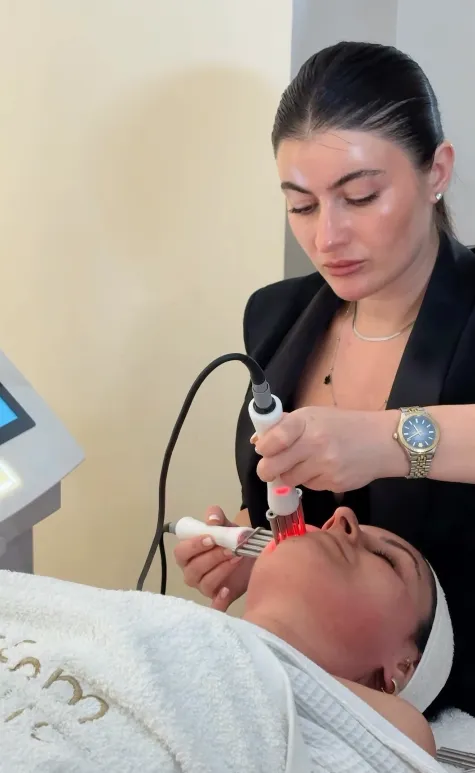
06 / Beyond skincare
When it is not a routine question.
Some things stand between you and a glow that no serum will fix. The AAD advises seeing a dermatologist if dry skin persists despite good care, because it can be linked to a condition such as atopic dermatitis or psoriasis.[3] The same applies to redness that does not settle, acne that is deep, painful or scarring, and a rash or reaction that keeps coming back.
Self-diagnosis is not reliable, because different problems can look alike. If any of these sound familiar, when a skin concern needs a dermatologist lists the signs to take to a doctor.
A few common questions
Frequently asked questions.
What is glass skin?
A skincare trend from Korea for skin that looks smooth, clear and almost poreless. The routine usually combines a gentle cleanser, a hydrating serum, a moisturiser and exfoliation.[1]
Is glass skin realistic for everyone?
Not exactly. The AAD notes that the glass-skin look might not be realistic for everyone. Pores and texture are normal, and photos are often shaped by lighting, make-up and filters. A realistic goal is skin that is hydrated, comfortable and protected from the sun.[1]
What is a simple glass skin routine?
A gentle cleanser, an optional hydrating serum, a moisturiser that suits your skin and broad-spectrum sunscreen with SPF 30 or higher every morning. Exfoliate occasionally, and add new products one at a time.
Can you get glass skin with large pores?
Pores can look less noticeable, but they do not disappear. The AAD suggests non-comedogenic products, gentle cleansing, daily sunscreen and avoiding scrubbing or squeezing, which can make pores look bigger.[2]
Does exfoliating every day make skin glow?
Usually not for long. Over-exfoliating can leave skin red and irritated, and the stronger the exfoliation, the less often it is needed.[6] Irritated skin can look shiny at first, but it is not the same as healthy skin.
Can a professional facial give you glass skin?
A facial can leave skin looking fresher for a while, but it is not a shortcut to a trend look, and results vary from person to person. It works best alongside a simple home routine and daily sunscreen. A consultation can help you decide whether it suits your skin.
Sources & scope
This Journal article offers general skincare education about the glass skin trend. It does not provide a diagnosis, prescribe treatment or replace individual medical advice. If you are worried about your skin, speak to a doctor. The points above draw on the following published resources.
- Social media skin care trends: Dermatologists reveal the facts (American Academy of Dermatology): what glass skin involves, which parts help and the risks of using too many products.
- What can treat large facial pores? (American Academy of Dermatology): why pores look larger and how to make them less noticeable.
- Dermatologists’ top tips for relieving dry skin (American Academy of Dermatology): washing, moisturising, humidity and when dry skin needs a dermatologist.
- Sunscreen and prevention of skin aging: a randomized trial (Annals of Internal Medicine, 2013): regular sunscreen use and visible skin ageing.
- How to apply sunscreen (American Academy of Dermatology): choosing and applying sunscreen.
- How to safely exfoliate at home (American Academy of Dermatology): choosing a method and avoiding over-exfoliation.
Editorial: Merve Akkaya Journal. Learn more about Merve Akkaya.
Continue reading
A little more clarity.
Your own glow
Less layering, more of your skin.
A consultation looks at your skin as it is today, what you already use and what you would like to see, then helps you choose the few steps that matter for you.
Bring your current products, or photos of their labels. It is often a case of taking something out rather than adding something new.
A skincare consultation does not replace a medical assessment.