
Journal / Professional care
When professional skincare belongs in the plan.
A treatment can be useful, enjoyable or both. It works best when you know what you are asking it to do and how it sits alongside the care you give your skin at home.
The short answer
Professional skincare is worth considering when you have a clear purpose for it: a concern you want help with, guidance on your routine, or regular care you value. It supports a home routine and does not replace one. Concerns that are painful, persistent or medical belong with a dermatologist.
01 / Two kinds of care
What home care does, and what a session adds.
Most of what happens to your skin happens at home. Cleansing, moisturising and sun protection are daily acts, and their effect comes from repetition. A simple skincare routine carried out consistently is the foundation.
A professional session is occasional. It offers things that are difficult to do for yourself: a trained pair of eyes on your skin, techniques and equipment not available at home, and time set aside for care. It also offers a conversation, which is sometimes the most useful part.
The two work together. A treatment cannot make up for a routine that irritates your skin every day, and a good routine does not rule out wanting professional support.
02 / Why people book
Five reasons people consider professional care.
- A specific concern
- Congestion, dullness or texture that has not shifted with home care. Naming the concern is the first step; see how to understand what your skin needs.
- Guidance
- You have collected products and are not sure they suit you. Here a routine review may serve you better than a treatment.
- Regular upkeep
- Some people value periodic professional care as part of looking after themselves. How often to have a facial depends on your skin and your reasons.
- An occasion
- A wedding or an important event. Timing matters more than intensity; see skincare before an event.
- Interest in a device treatment
- Toning, firmness or body treatments that have no home equivalent. Each needs its own suitability conversation.
If none of these applies, you may not need professional care at present, and that is a reasonable conclusion.
03 / Knowing the options
Different kinds of help do different jobs.
“Professional skincare” covers several things, and they are not interchangeable.
- Routine review
- A look at the products you use and how you use them. Skin Edit is built for this.
- Consultation
- A wider conversation about your skin, your goals and the available routes. Start with the consultation page.
- Facial care
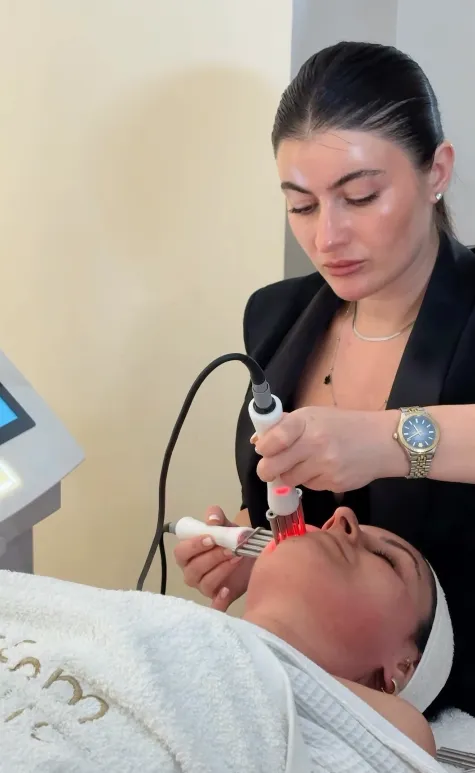
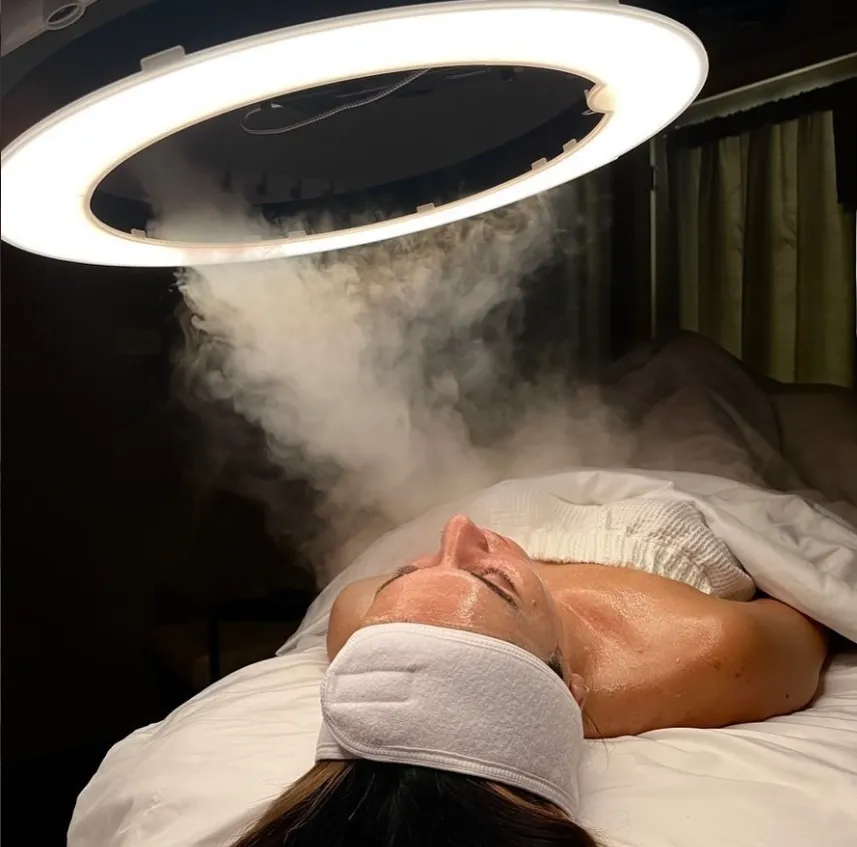
- Hands-on treatment of the face, which may include cleansing, exfoliation, masks and massage. See Facial Skin Care.
- Device treatments
- Treatments carried out with specific equipment for specific goals. The treatments page lists what is offered.
- Medical care
- Diagnosis and treatment of skin conditions by a dermatologist. This is outside the scope of skincare practice.
If you are unsure whether to begin with a treatment or a conversation, read a facial or a skincare consultation: which starting point makes sense.
04 / Before you commit
Questions to ask before booking.
A good practitioner welcomes questions. These are worth asking of any treatment, anywhere.
- What is this treatment intended to do, in plain terms?
- Is it suitable for my skin as it is today?
- What will happen during the session, step by step?
- How might my skin look and feel afterwards?
- Is one session meaningful, or is a course suggested, and why?
- What should I change in my home routine before and after?
- When would you advise against it?
Be cautious about large promises. The AAD’s advice on skincare products applies equally here: claims of dramatic or rapid change are too good to be true, and realistic expectations matter.[1] For comparison, it describes non-invasive skin-tightening procedures carried out by dermatologists as giving modest results that appear gradually.[4]
Price is one factor among several. How to compare facial treatments beyond price sets out the others.
05 / Before and after
Fitting a treatment around your routine.
What you use at home affects how your skin responds in the treatment room, and the reverse is true afterwards.
-
Before.
Tell your practitioner what you use, including retinoids, exfoliating acids and anything prescribed. Before a facial: what to tell your skincare practitioner has a full list.
-
After.
Keep the following days simple unless you are advised otherwise. After a facial: keeping your home routine clear explains how.
-
Over time.
If you are having more than one kind of treatment, space them with intention. See planning multiple skin treatments and how to review treatment progress.
Start with a conversation.
A consultation is where suitability is discussed. You can decide about treatment afterwards.
Explore a consultation06 / The boundary
When the next step is a dermatologist.
Professional skincare does not diagnose or treat medical conditions. Some concerns should go to a doctor first.
Seek medical advice for
Acne that is deep or painful: the AAD is clear that nodules and cysts need a dermatologist’s help and that early treatment means fewer permanent scars.[2][5]
Rashes, persistent redness, sores that do not heal, changing moles, or any skin change you cannot explain.
Stubborn blackheads and whiteheads: the AAD notes that a dermatologist may suggest comedo extraction or prescription treatment.[2] A dermatologist can also advise whether exfoliation is right for you and may carry it out in the office.[3]
When a skin concern needs a dermatologist covers this in more detail. Merve Akkaya’s approach treats that referral as part of good care.
A few common questions
Frequently asked questions.
Do I need facials to have healthy skin?
No. Daily cleansing, moisturising and sun protection do most of the work. Professional care is an addition for people who have a purpose for it.
Can a facial replace my skincare routine?
No. A session is occasional and a routine is daily. What you do at home between visits has more influence on how your skin feels from week to week.
Should I book a facial or a consultation first?
If you already know what you want and your skin is comfortable, a facial may be a fine start. If you are unsure what your skin needs or which treatment fits, begin with a conversation.
Can a facial treat acne?
A facial is not an acne treatment. The AAD advises that deep or painful acne needs a dermatologist, and that persistent blackheads and whiteheads may need a dermatologist’s procedures or prescription treatment.[2] If you have breakouts and want a facial, discuss it first.
How many sessions will I need?
It depends on the treatment and the goal. Ask why a given number is suggested and how progress will be reviewed. Be wary of any fixed promise.
What if I am told a treatment is not suitable?
That is useful information. A practitioner who advises against a treatment, or suggests seeing a doctor, is giving you a considered answer.
Sources & scope
This Journal article offers general skincare education and a way to decide whether professional skincare has a role for you. It does not provide a diagnosis, prescribe treatment or replace individual medical advice. The points above draw on the following published resources.
- How to select anti-aging skin care products (American Academy of Dermatology) — realistic expectations of skincare products.
- How to treat different types of acne (American Academy of Dermatology) — which blemishes need a dermatologist and when extraction is considered.
- What can treat large facial pores? (American Academy of Dermatology) — professional exfoliation and when to ask a dermatologist.
- Many ways to firm sagging skin (American Academy of Dermatology) — what non-invasive tightening procedures can and cannot do.
- 10 skin care habits that can worsen acne (American Academy of Dermatology) — when acne needs a dermatologist’s help.
Editorial: Merve Akkaya Journal. Learn more about Merve Akkaya.
Continue reading
A little more clarity.
Start with a conversation
Start with the purpose, then the treatment.
If you are considering professional care and are unsure which kind, describe what you would like to change. The treatment follows from that.
Tell us your main skincare question and whether you are interested in a routine review or professional care. You can explore the consultation options before making an enquiry.
A conversation about suitability comes before choosing a treatment.